
Kidney Pain & Kidney Stones: Symptoms, Treatment & When to Visit Urgent Care vs. the ER

Kidney pain can be uncomfortable, confusing, and sometimes extremely intense. Whether you experience a dull ache in your lower back, sharp pain along your side, or sudden waves of severe discomfort, identifying the cause is important for determining the appropriate treatment. One common cause of kidney-related pain is kidney stones, which form when minerals and […]
Minor Burns at Home: First Aid, Treatment & When to Visit Urgent Care or the ER

Minor burns are among the most common household injuries. Accidentally touching a hot pan, spilling hot water, brushing against a curling iron, or spending too much time in the sun can cause painful skin damage. While many minor burns can be treated at home, some require medical evaluation to prevent infection, manage pain, or address […]
Blister: Symptoms, Treatment & When to Visit ER vs Urgent Care

Blisters are common skin conditions that can develop after friction, burns, allergic reactions, infections, or other forms of skin irritation. While most blisters are minor and heal without medical treatment, some can become painful, infected, or associated with more serious injuries. A blister may appear as a small, fluid-filled bump on the skin or as […]
Uncontrolled Bleeding: How to Stop Bleeding, First Aid & When to Visit ER vs Urgent Care

Bleeding is a common result of cuts, scrapes, injuries, and accidents. In many situations, bleeding stops with basic first aid and direct pressure. However, when bleeding is heavy, persistent, or difficult to control, it can become a serious medical emergency. Uncontrolled bleeding can occur after deep cuts, traumatic injuries, falls, workplace accidents, or other incidents […]
Severe Burns: First Aid, Treatment & When to Go to the ER

Severe burns are serious injuries that can damage multiple layers of skin and, in some cases, the muscles, nerves, and other tissues underneath. Burns can result from flames, hot liquids, electricity, chemicals, or prolonged contact with extremely hot surfaces. While minor burns may heal with basic wound care, severe burns require immediate medical attention to […]
Gout Treatment: Symptoms, Treatment & When to Visit ER vs Urgent Care

Gout is a form of inflammatory arthritis that can cause sudden, intense joint pain, swelling, redness, and tenderness. Although gout commonly affects the big toe, it can also develop in the ankles, knees, feet, wrists, and other joints. A gout flare can become so painful that walking, wearing shoes, or even allowing a bedsheet to […]
Testicular Pain: Symptoms, Treatment & When to Visit ER vs Urgent Care

Testicular pain can range from a mild ache that develops gradually to sudden, severe pain that requires immediate medical attention. Possible causes include injury, infection, inflammation, hernia, and other conditions. One of the most serious causes is testicular torsion, which occurs when the spermatic cord twists and reduces blood flow to the testicle. Because it […]
Severe Headaches & Migraines: Symptoms, Treatment & When to Visit ER vs Urgent Care

Headaches are extremely common, but not every headache feels the same or has the same cause. Some are mild and improve with rest, hydration, or over-the-counter medication. Others, including migraines, can cause intense pain, nausea, sensitivity to light, and symptoms that make normal activities difficult. In certain situations, however, a severe headache can be a […]
Understanding Pain: What It Can Mean, How to Manage It & When It’s an Emergency

Pain is one of the body’s most important warning signals. It can tell you that you’ve been injured, that an area of the body is inflamed, or that an underlying medical condition needs attention. Sometimes the cause is obvious, such as a sprained ankle after a fall. Other times, pain develops suddenly without a clear […]
Uncontrolled High Blood Pressure: Warning Signs, Treatment Options & When to Go to the ER
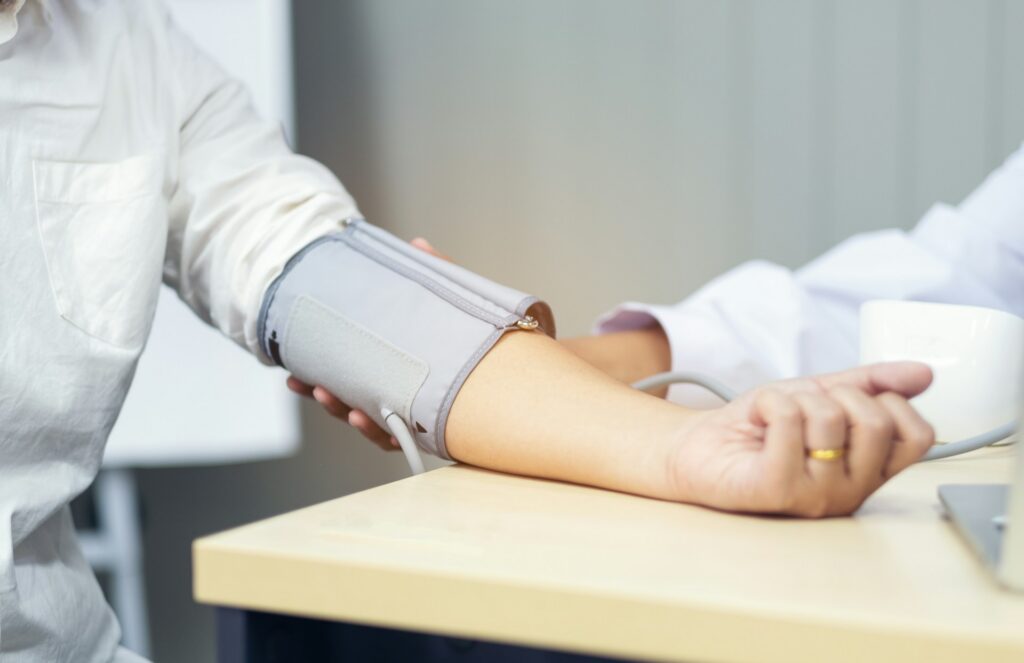
High blood pressure is common, and many people can have elevated readings without feeling noticeably different. However, blood pressure that becomes severely elevated—especially when accompanied by chest pain, shortness of breath, neurological changes, or other concerning symptoms—can signal a medical emergency. Knowing the difference between a high blood pressure reading that needs prompt follow-up and […]