
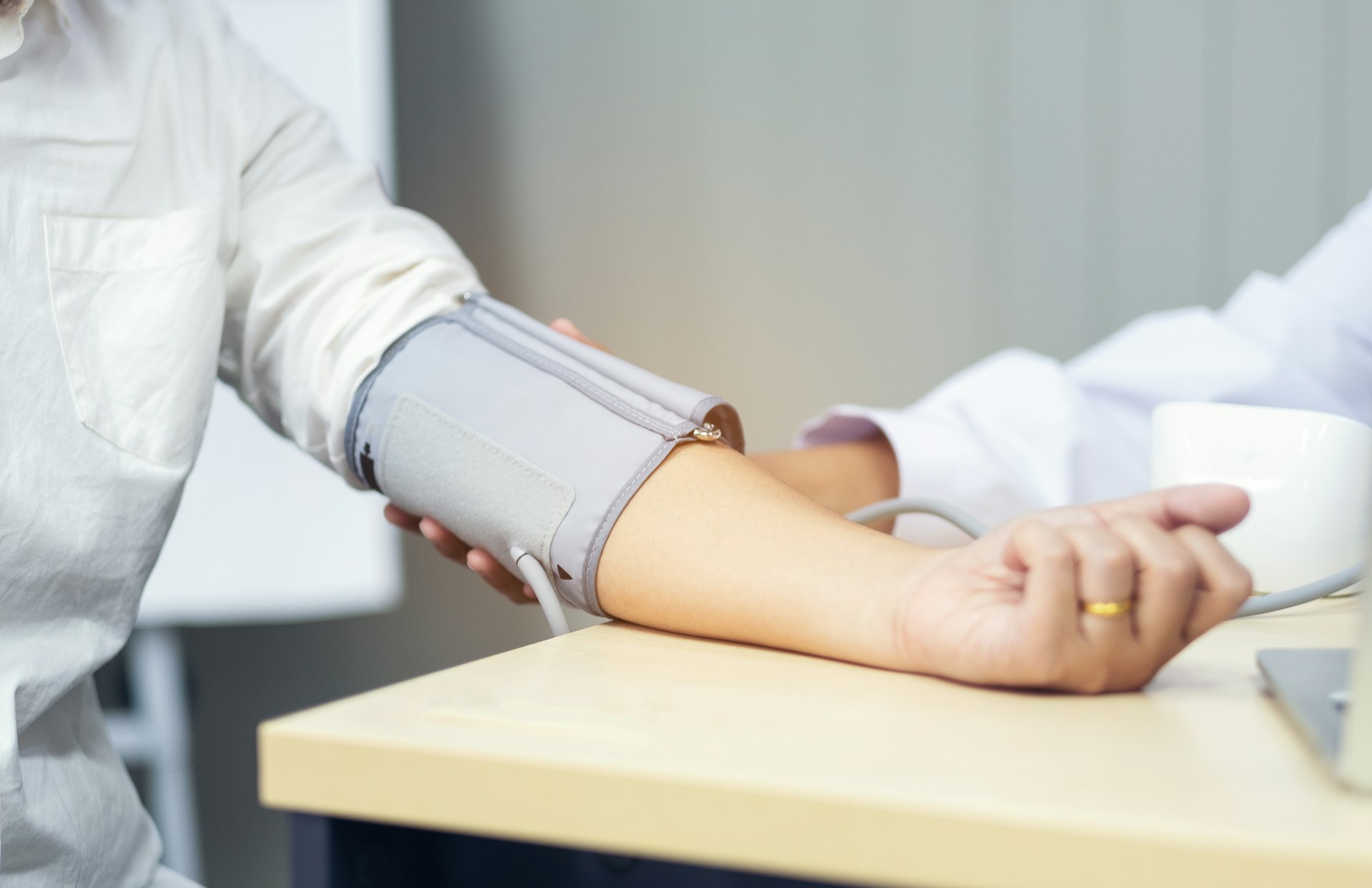
High blood pressure is common, and many people can have elevated readings without feeling noticeably different. However, blood pressure that becomes severely elevated—especially when accompanied by chest pain, shortness of breath, neurological changes, or other concerning symptoms—can signal a medical emergency.
Knowing the difference between a high blood pressure reading that needs prompt follow-up and a hypertensive emergency can help you choose the appropriate level of care. The number on the blood pressure monitor matters, but symptoms and signs of organ damage are also critical when determining how urgently treatment is needed.
At iCare ER & Urgent Care, our medical team evaluates patients with high blood pressure, chest pain, headaches, dizziness, and other symptoms that may require urgent or emergency evaluation. If you are experiencing severe or potentially life-threatening symptoms, call 911 rather than waiting for your blood pressure to improve on its own.
Emergency Disclaimer: If you are experiencing chest pain, severe difficulty breathing, sudden weakness or numbness, difficulty speaking, loss of consciousness, severe confusion, or other symptoms of a possible medical emergency, call 911 immediately. This article is for general educational purposes and is not a substitute for professional medical evaluation, diagnosis, or treatment.
What Is Considered High Blood Pressure?
Blood pressure measures the force of blood pushing against the walls of your arteries. It is recorded using two numbers.
The systolic pressure, or top number, measures pressure when the heart contracts. The diastolic pressure, or bottom number, measures pressure when the heart relaxes between beats.
According to current American Heart Association categories, normal blood pressure is below 120/80 mm Hg. Hypertension is divided into different stages based on how elevated the readings are.
A single high reading does not necessarily mean you have chronic hypertension. Factors such as stress, physical activity, pain, caffeine, illness, and certain medications can temporarily affect blood pressure.
Repeated high readings, however, should be discussed with a healthcare provider.
What Does Uncontrolled High Blood Pressure Mean?
Uncontrolled hypertension generally means blood pressure remains above the recommended range despite lifestyle changes, prescribed medication, or both. It can also occur in someone who has high blood pressure but has not yet been diagnosed or treated.
Possible reasons include:
- Missing prescribed blood pressure medications
- Taking medications incorrectly
- Needing adjustments to a treatment plan
- Certain prescription or over-the-counter medications
- High sodium intake
- Alcohol use
- Kidney problems
- Hormonal or endocrine conditions
- Sleep apnea
- Other underlying medical conditions
Blood pressure can also rise temporarily because of anxiety, pain, illness, or physical exertion.
The important question is not simply whether a reading is high, but how high it is, whether it remains elevated, and whether serious symptoms are present.
Does High Blood Pressure Cause Symptoms?
High blood pressure is often called a “silent” condition because many people experience no noticeable symptoms, even when their readings are elevated.
This means symptoms are not a reliable way to determine whether your blood pressure is controlled.
When blood pressure becomes severely elevated, however, symptoms may occur—particularly if the elevated pressure is affecting the brain, heart, kidneys, eyes, or blood vessels.
Potential warning signs can include:
- Chest pain
- Shortness of breath
- Severe headache
- Confusion
- Vision changes
- Weakness or numbness
- Difficulty speaking
- Severe dizziness
- Loss of consciousness
These symptoms should not simply be blamed on high blood pressure. They may indicate another serious condition, such as stroke or a cardiovascular emergency.
What Is a Hypertensive Crisis?
A blood pressure reading of 180/120 mm Hg or higher is considered severely elevated and may indicate a hypertensive crisis.
If you obtain a reading in this range and do not have concerning symptoms, sit quietly and repeat the measurement after at least a few minutes using proper technique. If the reading remains extremely high, contact a healthcare professional promptly for guidance.
If a reading of 180/120 mm Hg or higher occurs along with symptoms suggesting acute organ damage, it may represent a hypertensive emergency and requires immediate emergency medical care.
Concerning symptoms include:
- Chest pain
- Shortness of breath
- Weakness or numbness
- Difficulty speaking
- Significant vision changes
- Severe confusion
- Seizure
- Loss of consciousness
Do not wait for the blood pressure to decrease on its own when these symptoms are present.
When High Blood Pressure and Chest Pain Are an Emergency
Chest pain or pressure should always be taken seriously, particularly when blood pressure is severely elevated.
Chest symptoms may indicate a heart attack, a problem involving the aorta, or another serious cardiovascular condition.
Call 911 for chest pain or pressure accompanied by:
- Shortness of breath
- Sweating
- Nausea
- Lightheadedness
- Fainting
- Pain extending into the arm, back, shoulder, neck, or jaw
- Sudden severe weakness
Do not attempt to diagnose the cause based on a home blood pressure reading.
High Blood Pressure and Stroke Warning Signs
Severely elevated blood pressure may occur during a stroke, and chronic hypertension is an important risk factor for stroke.
Know the warning signs, including:
- Sudden facial drooping
- Sudden weakness or numbness, particularly on one side
- Difficulty speaking
- Difficulty understanding speech
- Sudden vision changes
- Sudden loss of coordination or balance
- Sudden severe headache
If stroke is suspected, call 911 immediately.
Do not drive yourself or wait to see whether the symptoms resolve. Stroke treatment can be time-sensitive.
High Blood Pressure and Severe Headaches
A headache does not automatically mean that high blood pressure is causing the pain. Headaches are extremely common and can result from dehydration, illness, migraines, tension, sleep problems, and many other causes.
However, a sudden or unusually severe headache—particularly when accompanied by severely elevated blood pressure or neurological symptoms—requires prompt medical attention.
Go to the ER or call 911 for a severe headache accompanied by:
- Confusion
- Weakness
- Numbness
- Difficulty speaking
- Vision changes
- Seizure
- Loss of consciousness
- Severe vomiting
- Sudden onset unlike previous headaches
These symptoms may indicate a neurological emergency rather than simply “high blood pressure.”
Should You Go to Urgent Care for High Blood Pressure?
Urgent care may be appropriate for certain elevated blood pressure concerns when you are otherwise stable and do not have emergency warning signs.
For example, urgent care may be appropriate if:
- You repeatedly receive elevated readings but feel well.
- You have concerns about a recent change in your readings.
- You need evaluation of mild symptoms without signs of an emergency.
- You have questions about whether another illness may be affecting your blood pressure.
Urgent care should not replace routine management of chronic hypertension with a primary care provider. Long-term blood pressure control often requires ongoing monitoring, medication management, and attention to other cardiovascular risk factors.
If your symptoms suggest a heart attack, stroke, or another emergency, skip urgent care and call 911.
When to Go to the ER for High Blood Pressure
Emergency evaluation is appropriate when severely elevated blood pressure occurs with symptoms suggesting that the heart, brain, lungs, kidneys, or other organs may be affected.
Seek emergency care for very high blood pressure accompanied by:
- Chest pain or pressure
- Severe shortness of breath
- Sudden neurological symptoms
- Severe confusion
- Significant vision changes
- Seizure
- Loss of consciousness
- Sudden severe headache
- Severe weakness
If symptoms are life-threatening or stroke or heart attack is suspected, call 911.
What Happens in the ER for Very High Blood Pressure?
Emergency providers focus on determining whether the elevated blood pressure is causing or accompanying acute organ damage.
Evaluation may include:
- Repeated blood pressure measurements
- Heart rate and oxygen monitoring
- Neurological examination
- Electrocardiogram (ECG or EKG)
- Blood tests
- Urine testing
- Chest imaging
- CT imaging when neurological symptoms are present
Not every patient requires every test. Evaluation is based on symptoms, medical history, physical examination, and the severity of the blood pressure elevation.
The goal is to determine whether the patient is experiencing a hypertensive emergency or another serious condition that requires immediate treatment.
How Is Severely Elevated Blood Pressure Treated?
Treatment depends on the cause, severity, and whether acute organ damage is present.
For a hypertensive emergency, medications may be used in a controlled medical setting to lower blood pressure while the patient is closely monitored. Blood pressure generally should not be lowered too rapidly without medical supervision because doing so can reduce blood flow to vital organs.
Patients with severely elevated blood pressure but no evidence of acute organ damage may require a different approach, such as medication adjustment and close follow-up rather than aggressive emergency lowering.
This is why patients should not take extra doses of blood pressure medication unless instructed to do so by a healthcare professional.
What Should You Do After a High Blood Pressure Reading at Home?
If your home blood pressure monitor produces an unexpectedly high reading and you do not have emergency symptoms, make sure the measurement is accurate.
Before repeating the measurement:
- Sit quietly for several minutes.
- Keep both feet flat on the floor.
- Support your back.
- Rest your arm at heart level.
- Make sure the cuff fits correctly.
- Avoid talking during the measurement.
If the reading remains unusually high, contact a healthcare professional for guidance.
If you develop chest pain, difficulty breathing, neurological symptoms, confusion, or other emergency warning signs, call 911.
Managing High Blood Pressure Long Term
Emergency treatment addresses an immediate problem, but chronic hypertension requires ongoing management.
Depending on the individual, a long-term treatment plan may involve:
- Taking prescribed medications consistently
- Monitoring blood pressure at home
- Reducing excess dietary sodium
- Eating a balanced diet
- Exercising as medically appropriate
- Maintaining a healthy weight
- Limiting alcohol
- Avoiding tobacco
- Managing diabetes and cholesterol
- Getting adequate sleep
- Attending regular medical appointments
Never stop a prescribed blood pressure medication simply because your readings have improved unless your healthcare provider tells you to do so.
Improved readings may mean the treatment is working.
iCare ER & Urgent Care: Evaluation for High Blood Pressure and Related Symptoms
A high blood pressure reading can be concerning, but the appropriate level of care depends on both the reading and the symptoms occurring with it.
At iCare ER & Urgent Care, our medical team evaluates patients experiencing high blood pressure, chest pain, headaches, dizziness, shortness of breath, and other potentially serious symptoms. With locations in Frisco, Forney, and Fort Worth, patients can access both urgent care and emergency services based on the severity of their condition.
Emergency care is available 24 hours a day, 7 days a week.
For signs of heart attack, stroke, severe breathing difficulty, loss of consciousness, or another life-threatening emergency, call 911 immediately.
Frequently Asked Questions
Is 180/120 blood pressure an emergency?
A reading of 180/120 mm Hg or higher is severely elevated. If you also have chest pain, shortness of breath, neurological symptoms, vision changes, confusion, or other concerning symptoms, call 911. If you have no emergency symptoms, repeat the measurement after sitting quietly and contact a healthcare professional promptly if it remains extremely high.
Can high blood pressure cause headaches?
Most people with high blood pressure do not have symptoms. A headache can occur for many reasons and should not automatically be attributed to blood pressure. A sudden or severe headache with neurological symptoms or extremely elevated blood pressure requires emergency evaluation.
Should I take extra blood pressure medication if my reading is high?
Do not take additional medication beyond what has been prescribed unless a healthcare professional specifically instructs you to do so. Lowering blood pressure too rapidly can sometimes be harmful.
Should I go to urgent care or the ER for high blood pressure?
Urgent care may be appropriate for elevated readings without emergency symptoms. Severely elevated blood pressure accompanied by chest pain, breathing problems, neurological changes, confusion, seizures, or other signs of acute organ damage requires emergency care.
When should I call 911 for high blood pressure?
Call 911 when very high blood pressure occurs with symptoms such as chest pain, severe shortness of breath, sudden weakness or numbness, difficulty speaking, severe confusion, seizure, loss of consciousness, or other signs of a potentially life-threatening emergency.
Conclusion
High blood pressure often produces no symptoms, which is why regular monitoring and long-term management are important. An isolated elevated reading is not always an emergency, but extremely high blood pressure accompanied by serious symptoms requires immediate attention.
Chest pain, severe shortness of breath, stroke symptoms, confusion, seizures, significant vision changes, and loss of consciousness are warning signs that should never be ignored. When these symptoms occur, call 911 rather than waiting to see whether your blood pressure decreases.
For non-life-threatening blood pressure concerns, medical evaluation can help determine whether your treatment plan needs adjustment and whether an underlying condition may be contributing to your readings. Recognizing the difference between routine hypertension management and a hypertensive emergency can help you get the right level of care at the right time.