
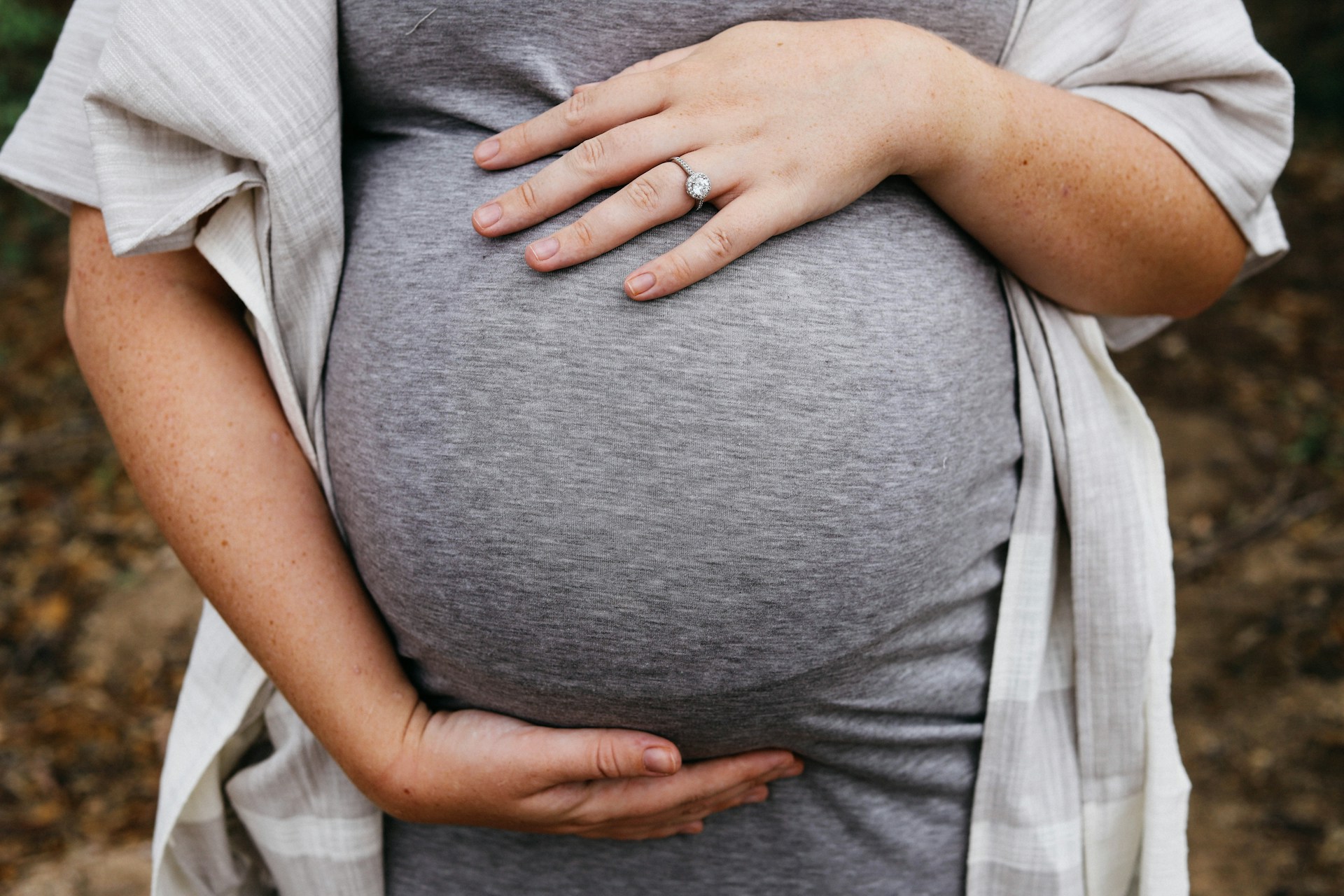
Pregnancy comes with many physical and emotional changes, and while many symptoms are completely normal, some can signal a more serious problem that requires medical attention. Knowing when to call your OB-GYN, visit urgent care, or go directly to the emergency room can help protect both mother and baby.
Many pregnant women experience symptoms like nausea, fatigue, swelling, or mild cramping during pregnancy. However, severe pain, heavy bleeding, difficulty breathing, or signs of preterm labor should never be ignored.
At iCare ER & Urgent Care, we help pregnant patients determine when symptoms are routine and when emergency evaluation is necessary. With locations in Frisco, Forney, and Fort Worth, our medical team provides urgent and emergency care for a wide range of pregnancy-related concerns.
Common Pregnancy Symptoms That Are Usually Normal
Pregnancy affects nearly every part of the body, and some discomfort is expected throughout each trimester.
Common normal pregnancy symptoms include:
- Mild nausea or morning sickness
- Fatigue
- Mild swelling in the feet or ankles
- Occasional headaches
- Mild cramping early in pregnancy
- Back pain
- Increased urination
These symptoms are often manageable with rest, hydration, and routine prenatal care.
However, symptoms that suddenly worsen or feel severe should always be discussed with a healthcare provider.
When to Call Your OB-GYN
Your OB provider should usually be your first call for non-emergency pregnancy concerns.
You should contact your OB if you experience:
- Persistent nausea or vomiting
- Mild cramping without bleeding
- Questions about medications during pregnancy
- Mild swelling
- Reduced appetite
- Ongoing discomfort that is not improving
Your OB-GYN can help determine whether symptoms are expected or if additional evaluation is needed.
Many OB offices also have after-hours nurse lines available to help patients decide whether urgent or emergency care is necessary.
When Urgent Care May Be Appropriate During Pregnancy
Urgent care can be helpful for mild illnesses or injuries that are not directly related to pregnancy complications but still require prompt treatment.
Pregnant patients may visit urgent care for:
- Cold or flu symptoms
- Mild dehydration
- Ear infections
- Sore throat or cough
- Minor cuts or injuries
- Mild urinary symptoms
Urgent care providers can evaluate symptoms, provide testing, and coordinate recommendations if higher-level care is needed.
Pregnancy Warning Signs That Should Never Be Ignored
Some symptoms during pregnancy may indicate serious complications and require immediate medical evaluation.
Warning signs include:
- Heavy vaginal bleeding
- Severe abdominal or pelvic pain
- Severe headache
- Vision changes
- Difficulty breathing
- Chest pain
- High fever
- Severe swelling of the face or hands
- Fainting or severe dizziness
These symptoms may indicate conditions such as preeclampsia, ectopic pregnancy, severe infection, or other emergencies.
When to Go to the Emergency Room
Emergency care is necessary when symptoms become severe, sudden, or potentially life-threatening.
Go to the emergency room immediately if you experience:
- Heavy bleeding during pregnancy
- Severe abdominal pain
- Signs of preterm labor
- Difficulty breathing
- Severe dehydration from vomiting
- Loss of consciousness
- Severe headache with vision changes
Prompt emergency treatment can help reduce complications for both mother and baby.
Signs of Preterm Labor
Preterm labor occurs when contractions begin before 37 weeks of pregnancy.
Symptoms may include:
- Regular contractions
- Pelvic pressure
- Lower back pain
- Fluid leaking from the vagina
- Abdominal tightening
Early evaluation is important because treatment may help delay labor and improve outcomes.
Preeclampsia Warning Signs
Preeclampsia is a potentially serious pregnancy complication involving high blood pressure and organ stress.
Symptoms may include:
- Severe headaches
- Vision changes
- Swelling of the hands or face
- Sudden weight gain
- Upper abdominal pain
Preeclampsia can become dangerous quickly and requires immediate medical attention.
Severe Vomiting and Dehydration During Pregnancy
Morning sickness is common, but severe vomiting can lead to dehydration and nutritional problems.
Seek medical care if you experience:
- Inability to keep fluids down
- Dizziness or weakness
- Very little urination
- Rapid heartbeat
- Signs of dehydration
Some patients may require IV fluids and additional treatment.
Pregnancy Emergencies in Early Pregnancy
Certain emergencies can occur during the first trimester.
One serious condition is an ectopic pregnancy, where the pregnancy develops outside the uterus.
Symptoms may include:
- Severe one-sided abdominal pain
- Vaginal bleeding
- Dizziness or fainting
- Shoulder pain
An ectopic pregnancy is a medical emergency and requires immediate treatment.
Protecting Yourself During Pregnancy
While not every complication can be prevented, healthy habits can help support a safer pregnancy.
Helpful tips include:
- Attending regular prenatal visits
- Staying hydrated
- Taking prenatal vitamins
- Avoiding smoking and alcohol
- Getting adequate rest
- Monitoring unusual symptoms closely
Trusting your instincts is also important. If something feels wrong, it is always appropriate to seek medical guidance.
iCare ER & Urgent Care: Pregnancy Care When You Need It Most
Pregnancy symptoms can sometimes be difficult to interpret, especially when discomfort suddenly changes or worsens. Prompt medical evaluation can help identify complications early and provide peace of mind.
At iCare ER & Urgent Care, our experienced medical team provides urgent and emergency evaluation for pregnant patients experiencing illness, dehydration, injuries, or concerning symptoms. With locations in Frisco, Forney, and Fort Worth, we offer both urgent care and emergency services for patients of all ages.
Walk-ins are welcome, and emergency care is available 24/7.
Frequently Asked Questions
Should I go to the ER for bleeding during pregnancy?
Heavy bleeding, especially when accompanied by pain or dizziness, should always be evaluated immediately in the emergency room.
Can urgent care treat pregnant patients?
Yes. Urgent care can evaluate many mild illnesses and injuries during pregnancy, although severe symptoms may require emergency care.
When should I call my OB instead of going to urgent care?
You should call your OB for ongoing pregnancy concerns, medication questions, mild cramping, or non-emergency symptoms.
What symptoms during pregnancy are considered emergencies?
Severe abdominal pain, heavy bleeding, difficulty breathing, severe headache, and signs of preterm labor are all emergencies that require immediate evaluation.
Conclusion
Many pregnancy symptoms are normal, but certain warning signs should never be ignored. Understanding when to call your OB-GYN, visit urgent care, or seek emergency treatment can help protect both mother and baby throughout pregnancy.
If symptoms become severe, sudden, or concerning, prompt medical care is essential. Early evaluation can help prevent complications and ensure the safest possible outcome.