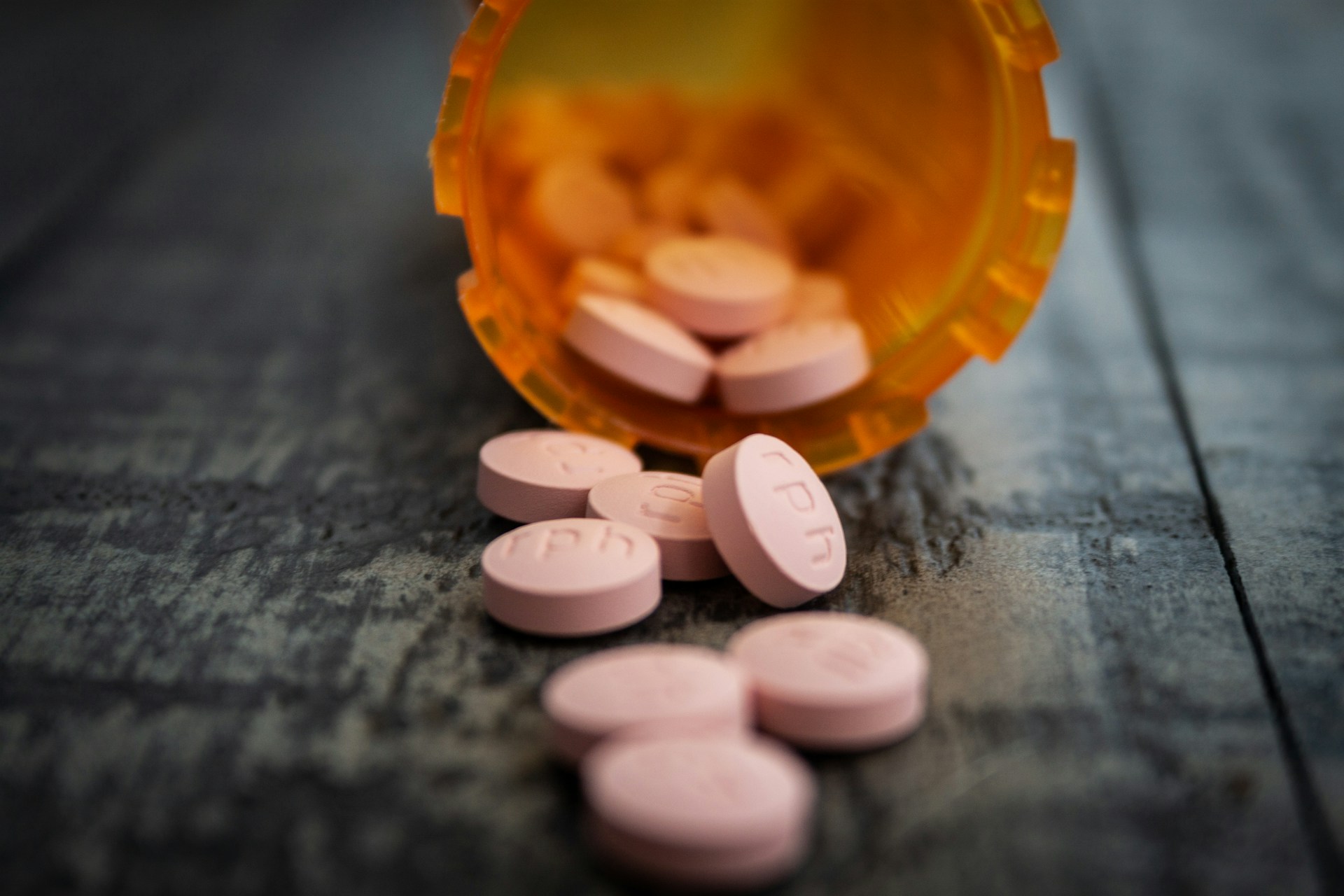
Drug overdoses are a medical emergency that can happen to anyone. They may involve prescription medications, over-the-counter drugs, illegal substances, alcohol, or a combination of multiple substances. In many cases, recognizing the warning signs early and seeking immediate medical care can save a life.
An overdose occurs when the body is overwhelmed by a substance, affecting vital functions such as breathing, heart rate, blood pressure, or brain function. Even medications taken exactly as prescribed can become dangerous if accidentally taken in the wrong dose or combined with other drugs.
At iCare ER & Urgent Care, our emergency physicians evaluate and treat patients experiencing drug overdoses and other life-threatening medical emergencies. If you suspect that someone has overdosed, do not wait for symptoms to improve—seek emergency medical care immediately.
What Is a Drug Overdose?
A drug overdose occurs when a person takes more of a medication or substance than their body can safely process. Overdoses may happen intentionally or accidentally and can involve one drug or several substances taken together.
Common causes of overdose include:
- Taking too much prescription medication
- Mixing medications without medical guidance
- Combining drugs with alcohol
- Accidental ingestion by children
- Recreational drug use
- Incorrect medication dosing
- Taking someone else’s prescription medication
Regardless of how an overdose occurs, it should always be taken seriously.
Common Drugs Involved in Overdoses
Many different substances can cause an overdose.
Common examples include:
- Prescription pain medications
- Opioids
- Sleeping medications
- Anti-anxiety medications
- Antidepressants
- Acetaminophen and other over-the-counter pain relievers
- Illegal drugs
- Alcohol
- Stimulants
Even vitamins, supplements, and herbal products can become harmful when taken in excessive amounts.
Warning Signs of a Drug Overdose
Symptoms vary depending on the substance involved, but certain warning signs should always be treated as an emergency.
Common overdose symptoms include:
- Extreme drowsiness
- Confusion
- Slurred speech
- Difficulty waking up
- Slow or irregular breathing
- Blue lips or fingertips
- Pinpoint pupils
- Seizures
- Vomiting
- Loss of consciousness
A person experiencing an overdose may stop responding to voices or touch, which is a sign that immediate medical attention is needed.
Opioid Overdose Symptoms
Opioids—including prescription pain medications and illicit opioids—can slow breathing to dangerous levels.
Common signs of an opioid overdose include:
- Very slow or stopped breathing
- Pinpoint pupils
- Pale or bluish skin
- Slow heartbeat
- Unresponsiveness
- Gurgling or choking sounds
Without prompt treatment, oxygen levels can fall rapidly, leading to permanent brain injury or death.
Stimulant Overdose Symptoms
Stimulants affect the body differently than opioids.
Signs of a stimulant overdose may include:
- Chest pain
- Rapid heartbeat
- High blood pressure
- Severe agitation
- Hallucinations
- High body temperature
- Seizures
These symptoms require immediate emergency evaluation.
Accidental Overdoses in Children
Young children are naturally curious and may accidentally swallow medications left within reach.
Parents should seek emergency care immediately if a child is suspected of ingesting:
- Prescription medications
- Gummies containing medication or supplements
- Sleep aids
- Blood pressure medications
- Heart medications
- Unknown substances
Even if the child appears normal, serious symptoms may develop later.
Never wait for symptoms to appear before seeking medical advice.
What to Do If You Suspect an Overdose
If you believe someone has overdosed, act immediately.
You should:
- Call 911 immediately.
- Stay with the person until help arrives.
- If they are unconscious but breathing, place them on their side to help protect their airway.
- If they stop breathing and you are trained, begin CPR until emergency responders arrive.
- If naloxone (Narcan®) is available and you suspect an opioid overdose, administer it according to the instructions while waiting for EMS.
Do not attempt to make someone vomit unless specifically instructed by medical professionals or Poison Control.
Quick action can significantly improve the chances of recovery.
Why You Should Go to the Emergency Room
A drug overdose should always be evaluated in an emergency department because symptoms can worsen rapidly, even if the person initially appears stable.
Emergency departments have immediate access to:
- Emergency physicians
- Continuous heart monitoring
- Oxygen therapy
- Intravenous medications
- Laboratory testing
- Imaging if needed
- Antidotes for certain medications
- Advanced airway management
Some overdoses have delayed effects, meaning patients who appear well initially can become critically ill hours later.
What to Expect in the Emergency Room
When a patient arrives with a suspected overdose, the medical team will first stabilize the airway, breathing, and circulation.
Evaluation may include:
- Vital sign monitoring
- Blood tests
- Electrocardiogram (ECG)
- Toxicology testing when appropriate
- Oxygen level monitoring
Treatment depends on the substance involved but may include:
- IV fluids
- Oxygen
- Activated charcoal in select cases
- Antidote medications when available
- Breathing support
- Observation or hospital admission
Every overdose is different, so treatment is tailored to the patient’s condition.
Can You Recover Without Going to the Hospital?
Some people hesitate to seek emergency care because they feel better after a short period of time.
This can be extremely dangerous.
Certain medications continue to absorb into the bloodstream for several hours, causing symptoms to return or worsen after the initial event.
Even if someone becomes more alert, they should still be evaluated by medical professionals after a suspected overdose.
Preventing Drug Overdoses
Many overdoses can be prevented through safe medication practices.
Helpful prevention tips include:
- Take medications exactly as prescribed.
- Never mix medications without medical guidance.
- Avoid combining medications with alcohol unless approved by your healthcare provider.
- Store medications in child-resistant containers.
- Keep all medications out of reach of children.
- Never take someone else’s prescription medication.
- Dispose of unused medications safely.
If you have questions about medication interactions or dosing, speak with your healthcare provider or pharmacist.
iCare ER & Urgent Care: Emergency Care When Every Second Counts
A suspected drug overdose should never be ignored. Early recognition and immediate emergency treatment can save lives and reduce the risk of permanent complications.
At iCare ER & Urgent Care, our experienced emergency physicians provide rapid evaluation and treatment for drug overdoses, poisonings, respiratory emergencies, and other life-threatening conditions. With locations in Frisco, Forney, and Fort Worth, we are equipped to provide emergency care 24 hours a day, 7 days a week.
If you believe someone has overdosed, call 911 immediately and seek emergency medical care without delay.
Frequently Asked Questions
Should I go to the ER if I think someone overdosed?
Yes. Every suspected drug overdose should be evaluated in an emergency department, even if the person seems to improve.
What are the first signs of an overdose?
Extreme drowsiness, difficulty waking up, slow breathing, confusion, slurred speech, and loss of consciousness are common warning signs.
Can someone overdose on prescription medications?
Yes. Prescription medications can cause serious or life-threatening overdoses if taken incorrectly, combined with other substances, or accidentally ingested.
Should I wait to see if symptoms improve?
No. Symptoms can worsen quickly or return after appearing to improve. Immediate emergency evaluation is the safest course of action.
Conclusion
Drug overdoses are life-threatening medical emergencies that require immediate action. Whether the overdose involves prescription medication, alcohol, or illegal substances, delaying treatment can have serious consequences.
Recognizing the warning signs, calling 911, and seeking emergency medical care as quickly as possible can save a life. If you suspect that someone has overdosed, don’t wait—immediate evaluation in the emergency room is always the safest decision.